
Table of Contents
- What Are Dishwasher Gel Pods and How Do They Work?
- Key Benefits of Modern Dishwasher Gel Pods
- Dishwasher Gel Pods vs Traditional Detergent Formats
- Inside the Chemistry: Surfactants and Enzymes
- How to Use Dishwasher Gel Pods for Optimal Results
- Common Dishwashing Issues and Simple Solutions
- Manufacturing Standards and Private Label Opportunities
- Frequently Asked Questions (FAQ)
- Dishwasher Gel Pods combine concentrated liquid cleaning agents and rapid-dissolving films to deliver spot-free dishes without pre-measuring or chemical waste.
- Advanced dual-action formulations use specialized enzymes and surfactants that activate instantly even during low-temperature and express wash cycles.
- Proper storage in dry, climate-controlled environments prevents premature casing degradation and preserves long-term cleaning efficacy.
What Are Dishwasher Gel Pods and How Do They Work?
Modern kitchens demand speed, consistent hygiene, and effortless operation. In response to these daily consumer needs, automatic dishwashing technology has evolved significantly over recent years.
Dishwasher Gel Pods represent a major innovation in domestic and commercial warewashing. These single-dose packets encase concentrated liquid detergents inside a water-soluble polyvinyl alcohol casing designed to dissolve rapidly upon water contact.
Unlike loose liquids or dense dry bricks, Dishwasher Gel Pods release active cleaning compounds the moment the wash cycle begins. This rapid deployment ensures cleaning chemistry engages with food soils immediately.
The encapsulated formula typically combines water-softening agents, grease-cutting elements, and anti-redeposition polymers. Together, they break down stubborn grease, starch, and protein residues without leaving cloudy mineral deposits on delicate glassware.
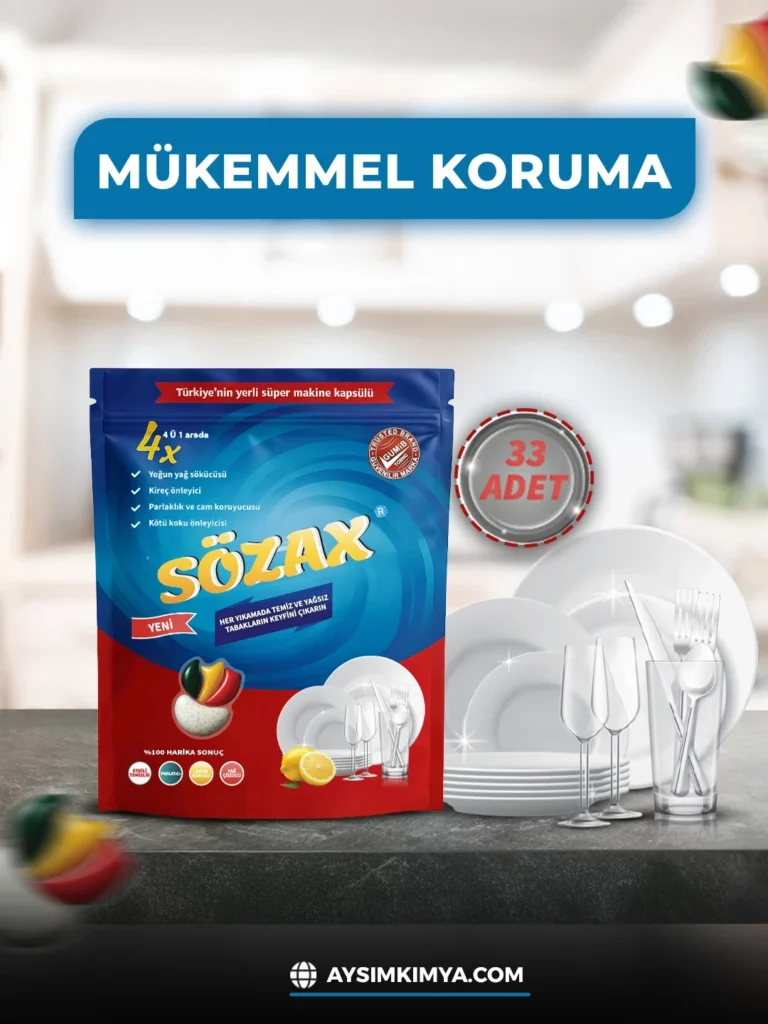
See our visual breakdown covering real-world performance tests for bulaşık makinesi kapsülü products:
Key Benefits of Modern Dishwasher Gel Pods
Convenience stands out as the most obvious advantage for busy households. Because each pouch contains a pre-measured dose, users eliminate the guesswork, accidental spills, and detergent overdosing that often foul wash arms.
Premium Dishwasher Gel Pods also excel in short wash programs. Standard pressed powders often need higher water temperatures and lengthy wash cycles to break apart completely, occasionally leaving gritty residues behind.
In contrast, liquid formulations disperse evenly throughout the wash cabinet within seconds. This fast dispersion makes Dishwasher Gel Pods exceptionally reliable for modern eco-cycles running at 45°C to 50°C.
Additionally, the liquid format allows manufacturers to stabilize liquid rinse aids directly alongside primary cleaning agents. You can learn more about how brands formulate complete cleaning solutions by exploring leading top dishwasher tablet manufacturers producing high-performance detergents globally.
Dishwasher Gel Pods vs Traditional Detergent Formats
Choosing the right dishwashing format depends on water hardness, cycle habits, and budget considerations. Below is a direct comparison showing how modern liquid pouches compare against traditional powders and standard compressed tablets.
| Feature | Dishwasher Gel Pods | Pressed Powder Tablets | Traditional Powder |
|---|---|---|---|
| Dissolution Speed | Immediate (< 60 seconds) | Moderate (3 to 7 minutes) | Fast (if water flows freely) |
| Low-Temp Performance | Superior (35°C–50°C) | Fair to Moderate | Moderate |
| Dosing Precision | Pre-measured single dose | Pre-measured single dose | Manual (prone to error) |
| Residue Risk | Virtually zero residue | Occasional powder grit | High if overfilled |
| Glassware Etching Protection | High (integrated liquid conditioners) | Moderate | Low |
As illustrated in the table, these options offer a balanced combination of speed and surface protection. They reduce the human error often associated with free-flowing powders while avoiding the slow breakdown times of dense dry bricks.
Inside the Chemistry: Surfactants and Enzymes
The remarkable cleaning performance of these solutions stems from sophisticated chemical engineering. Rather than relying solely on aggressive alkaline builders, modern formulas balance specialized builders with bio-enzymes.
Non-ionic surfactant compounds lower the surface tension of water, allowing the wash spray to penetrate baked-on oils and greasy films effortlessly.
Meanwhile, targeted enzymes tackle specific soil types at molecular levels. Proteases break down protein structures like egg and dried cheese, while amylases dissolve complex starches from pasta, potatoes, and oatmeal.
To produce stable liquid doses, engineering teams rely on precise chemical balances. For an in-depth review of industrial manufacturing controls, read our technical breakdown on dishwasher tablet manufacturing 5 proven steps for ultimate quality 2026.
When formulated correctly, this field hold active enzymes in a suspended state until the casing meets water. Once released, the chemistry works synergistically to deliver immaculate, streak-free culinary tools.
How to Use Dishwasher Gel Pods for Optimal Results
Achieving pristine results requires a few simple operating practices. While this service are simple to handle, small user errors can impair the dissolution process.
First, always handle the packet with completely dry hands. Moisture on fingers can weaken the exterior polyvinyl alcohol film instantly, causing premature ruptures before the pouch reaches the dispenser tray.
Second, place these options directly inside the designated dry detergent dispenser rather than tossing them into the machine bottom. Tossing a pouch on the floor allows pre-rinse cycles to flush the cleaning agents away prematurely.
Ensure tall plates or baking trays loaded in the lower rack do not block the dispenser flap from opening. If the door cannot pop open cleanly, the pouch will not dissolve on schedule.
Finally, store your container of these solutions in a dry cabinet away from direct steam or extreme humidity. Always reseal the packaging tightly after every wash to maintain pouch structural integrity.
Common Dishwashing Issues and Simple Solutions
Even with advanced formulas, occasional cleaning inconsistencies can happen due to water supply issues or maintenance oversights. Here is how to troubleshoot the most common dishwashing complaints.
1. Undissolved Capsule Remains in Dispenser
If you find remnants of this field stuck inside the dispenser chamber, residual moisture is usually the culprit. Wet dispensers cause the pouch film to adhere to the plastic walls before the door unlatches.
Wipe the detergent compartment completely dry with a towel before dropping in your dose. In addition, check that the upper spray arm spins freely without hitting oversized dishware.
2. Cloudiness on Glassware
Mineral film or cloudy deposits usually indicate hard water conditions where calcium levels outpace standard water-softening additives. Inspect your dishwasher internal salt reservoir to verify it remains full.
High-grade this service integrate built-in chelating agents that bind free calcium ions. However, extremely hard water regions still require supplemental water-softening salts for pristine optical clarity.
3. Lingering Food Odors
Residual kitchen odors suggest machine filter clogs rather than poor detergent quality. Remove and rinse the cylindrical micro-filter located at the basin bottom every month to eliminate decaying food particles.
Running a monthly sanitize cycle alongside reliable these options prevents grease accumulation in internal drain pipes, ensuring a clean-smelling appliance.
Manufacturing Standards and Private Label Opportunities
The global cleaning market has witnessed explosive growth in demand for pre-measured liquid detergents. Retailers, hotel chains, and distributors increasingly seek private-label partnerships to offer competitive domestic cleaning solutions.
Producing dependable these solutions requires state-of-the-art thermoforming and liquid dosing machinery. High-speed automation systems must balance filling volume, sealing temperatures, and atmospheric humidity with exacting precision.
At Ayşim kimya, strict quality assurance protocols oversee every stage of product engineering. Raw materials undergo rigorous laboratory testing to verify enzymatic activity, surfactant stability, and membrane tear resistance under mechanical stress.
Investing in private-label this field allows commercial partners to meet expanding consumer appetites for sustainable, low-temperature cleaning products while securing healthy commercial margins.
As sustainable packaging regulations advance across global markets, adopting biodegradable casings and concentrated formulas ensures long-term regulatory compliance and elevated brand loyalty.
Frequently Asked Questions (FAQ)
Do Dishwasher Gel Pods leave microplastics in the water supply?
No, quality Dishwasher Gel Pods utilize a biodegradable film made from polyvinyl alcohol (PVA). When exposed to warm water and natural wastewater microorganisms, this polymer dissolves fully into water and carbon dioxide without generating microplastics.
Can I use Dishwasher Gel Pods in fast 30-minute wash cycles?
Yes, this service are particularly well-suited for fast cycles. Because the active components are already dissolved in liquid form, they disperse across dishes far faster than traditional hard-pressed powder blocks.
Should I pierce or open Dishwasher Gel Pods before putting them in the machine?
Never pierce or cut open the pod casing. The protective film dissolves entirely on its own within minutes of water exposure. Cutting the film risks skin irritation and causes the active ingredients to drain away before the main wash starts.
Wholesale Dishwasher Rinse Aid: The Ultimate Guide to the Best Commercial Shine